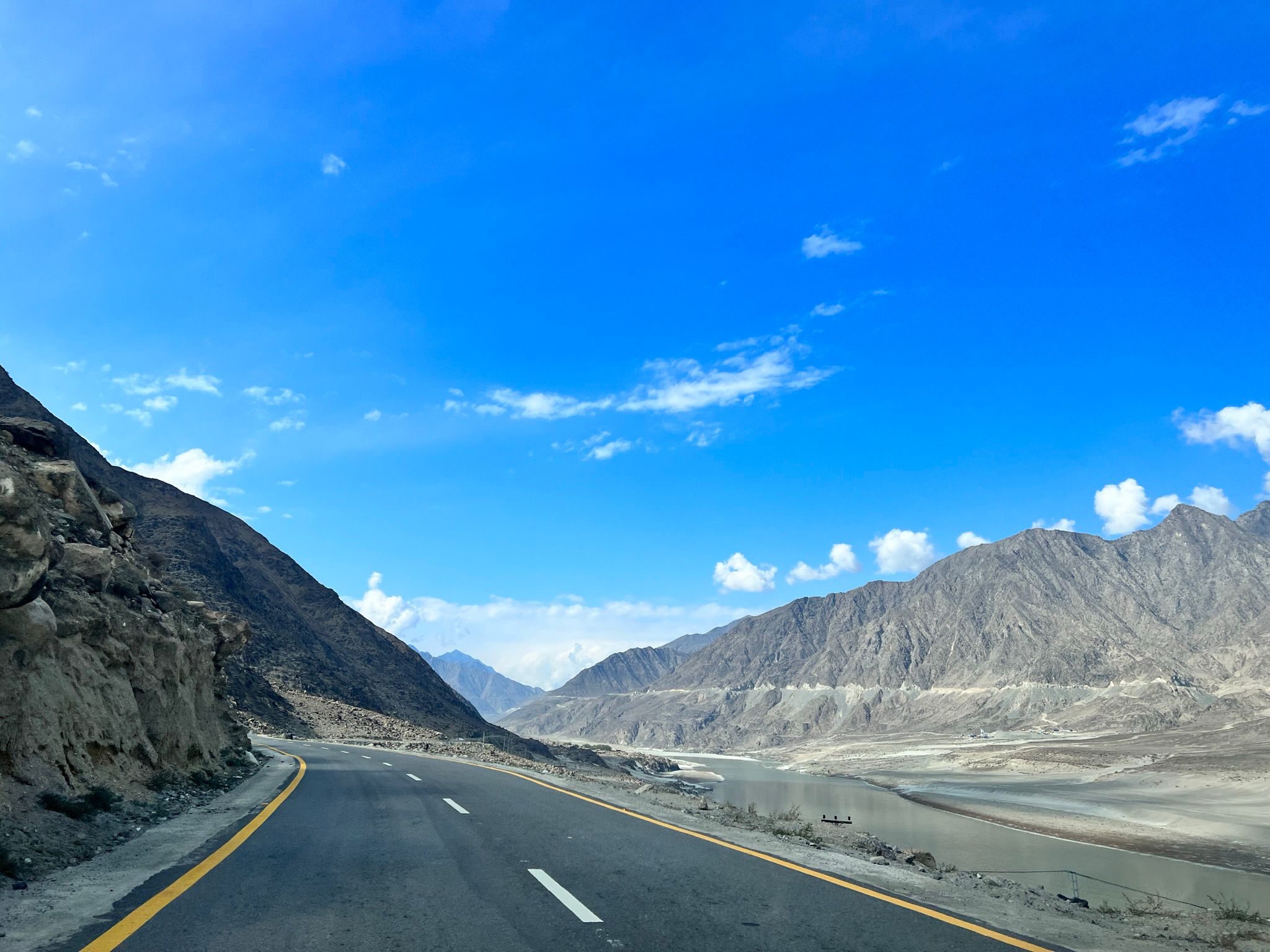
On 3 December 2025, the National Highway Authority (NHA) officially approved a Rs 22.44 billion investment to upgrade two pivotal road networks in the Gilgit–Chitral region.
The two projects include:
- Chitral–Booni–Mastuj–Shandur Road (CBMS) — a 153-kilometre route connecting Chitral to Shandur, budgeted at Rs 17.78 billion.
- Chitral–Ayun–Bumburate Road (CAB) — a 46-kilometre stretch to improve access to Ayun Valley and the scenic Kalash Valley, with a budget of Rs 4.65 billion.
Together, these two routes will span nearly 200 km, reshaping connectivity across remote valleys and high-altitude regions of Chitral, Shandur, Mastuj, Ayun and Bumburate.
Why These Road Upgrades Matter — Strategic & Socioeconomic Benefits
🚗 Improved Connectivity & All-Weather Access
The CBMS Road is designed as a two-lane corridor with a 100-metre right-of-way, divided into four segments (Chitral–Pret, Pret–Booni, Booni–Shaidas, Shaidas–Shandur) to link remote settlements like Booni, Mastuj, Shaidas, and more.
This new route will serve as a crucial alternative corridor when snow or harsh weather blocks the traditional mountain passes, ensuring year-round access for local communities and travelers.
📈 Boost to Trade, Tourism & Local Economy
By connecting remote valleys to national highways — ultimately integrating into larger transport and trade networks — the upgrades will facilitate easier movement of agricultural goods, gemstones, handicrafts, and other local products.
For the CAB Road, in particular, enhanced access to the Kalash and Ayun Valleys is expected to attract more tourists, encouraging investment in hospitality, transport, and small businesses in these culturally rich areas.
🏥 Better Access to Services & Safety for Residents
Reliable roads mean easier access to essential services like schools, hospitals, government facilities, especially during winters or emergencies. Locals won’t have to worry about being cut off because of blocked passes.
Additionally, the improved road network can greatly enhance emergency response times — crucial in remote and mountainous areas where weather hazards or landslides can occur.
🌐 Strategic Link to Broader Trade Routes (Including CPEC)
These road projects are not just local upgrades — they fit into the larger national agenda of strengthening northern connectivity and linking remote areas to national and international trade corridors under China–Pakistan Economic Corridor (CPEC).
Once connected with major highways and supply routes heading toward trade hubs and ports, these valleys could see increased commercial flow — potentially transforming economic prospects for the entire region.
What This Means for Locals, Tourists & Travelers
- Shorter & Safer Travel — Travel time between valleys like Chitral, Mastuj, Ayun, and Shandur will reduce significantly. All-weather roads reduce the risk associated with snow, avalanches or weather-related blockages.
- Growth of Tourism & Local Economy — Valleys like Kalash, known for culture and natural beauty, will become more accessible. This means more visitors, better business for hotels, guesthouses, artisans, and local vendors.
- Improved Quality of Life — Residents will get reliable connectivity to essential services: healthcare, education, administrative centers — regardless of season.
- Opportunity for Investors & Small Businesses — Better roads make it feasible to invest in hospitality, transport, trade and supply-chain-oriented businesses. The improved infrastructure may attract external investors seeking to tap untapped northern markets.
- Strategic National Benefit — Strengthening remote corridors contributes to national integration, economic stability, and long-term development of the northern regions.
Challenges & What to Watch For
- Terrain & Weather Risks — Given the mountainous geography, construction and maintenance will require careful engineering to survive snow, landslides, avalanches and harsh winters.
- Timely Execution & Maintenance — Approval and funding are a good start, but success depends on timely and quality execution, with proper oversight to ensure durability and safety.
- Environmental and Cultural Sensitivity — As these roads open up remote valleys to tourism and commerce, balancing development with protection of fragile ecosystems and local cultures (e.g. Kalash heritage) will be important.
Conclusion — A New Era of Connectivity and Opportunity for Northern Pakistan
The NHA’s approval of Rs 22.44 billion for the CBMS and CAB roads is more than just an infrastructure upgrade — it signals a transformation for the Gilgit–Chitral region. Enhanced connectivity, improved trade and tourism potential, better access for remote communities, and a stronger link to national economic corridors like CPEC all make this a landmark moment for northern Pakistan.
With careful execution and consistent maintenance, these roads could bring long-lasting socio-economic benefits to over 350,000 residents living in remote valleys and mountainous terrain — while opening up breathtaking northern landscapes to travelers and investors alike.
As Pakistan moves toward stronger integration of its remote northern areas, this initiative sets a promising precedent: when infrastructure meets strategic vision — the mountains don’t just divide, they connect.

Leave a reply